LECTURE PAR L’AUTEUR
Écoutez le poème.
Lu par l’auteur dans la version anglaise originale.
Ode to Eye SocketsLecture en anglais
POÈME + ARCHIVES
LECTURE PAR L’AUTEUR
Lu par l’auteur dans la version anglaise originale.
BEHIND THE POEM
On February 14, 2017, a large standing mirror fell while I was lying beneath it and shattered across my face.
The experience eventually became the starting point for Ode to Eye Sockets: a poem of gratitude for the anatomical hollows that quietly shield some of the body's most vulnerable parts.
That idea expands through the poem into a broader gratitude for useful absences, protective recesses, negative results, backgrounds, and other essential things that are easiest to overlook when they are doing their jobs correctly.
And because this happened on Valentine's Day: yet another reason to F*** February.
FROM THE ARCHIVE
Photographs associated with the accident and its aftermath.
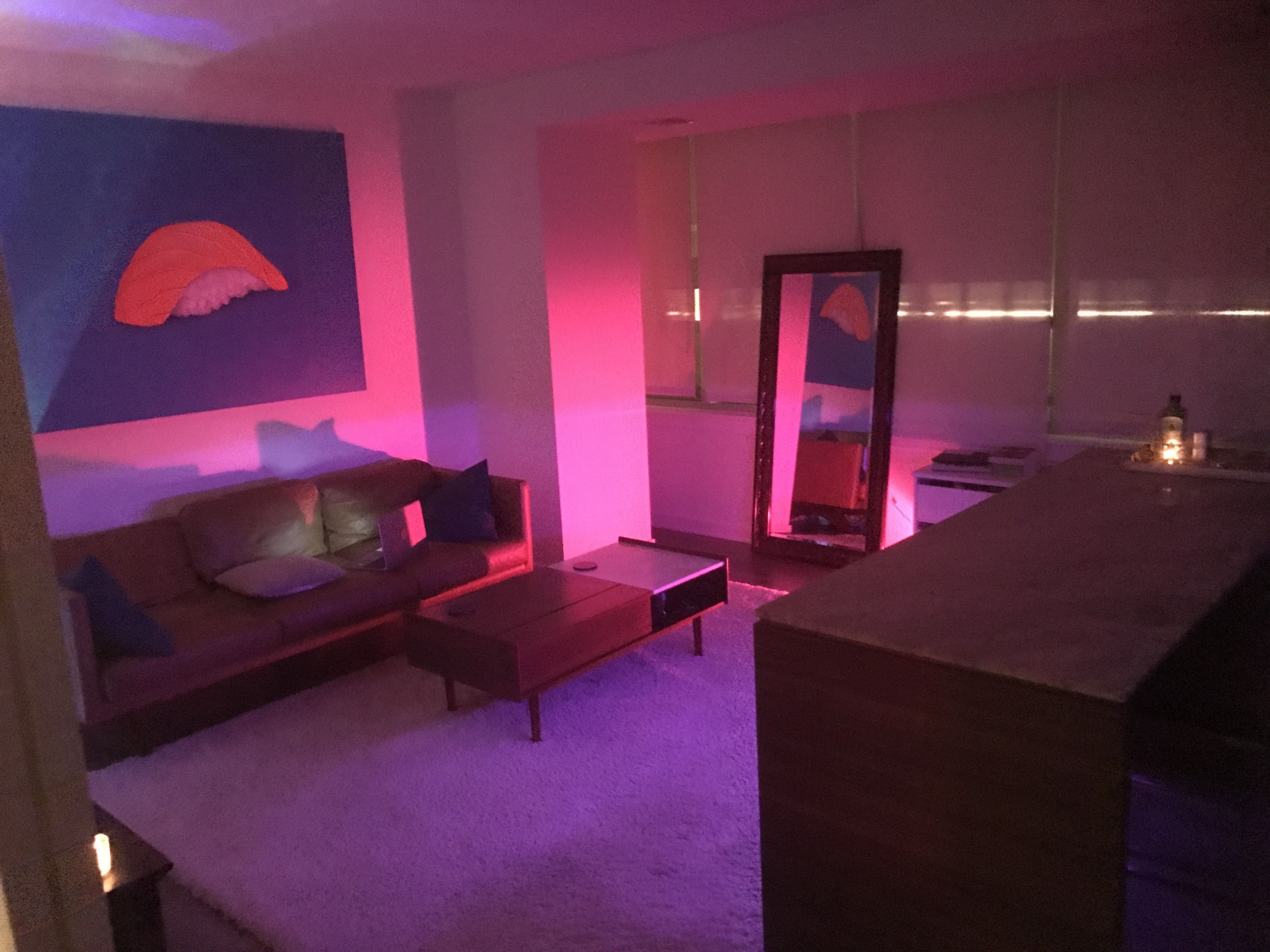
The standing mirror before the accident that would later inspire the poem.
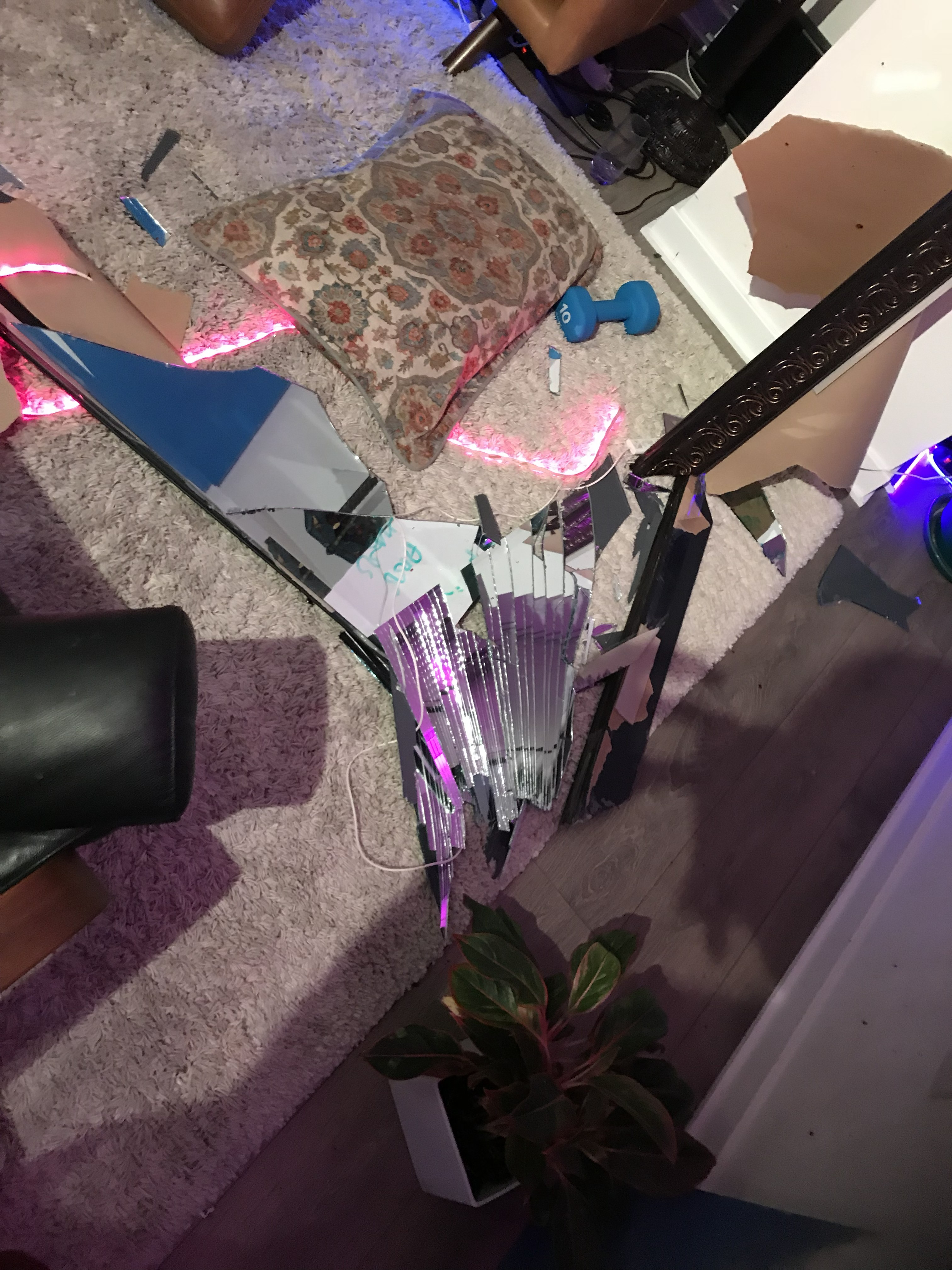
The mirror after it fell and shattered on February 14, 2017.
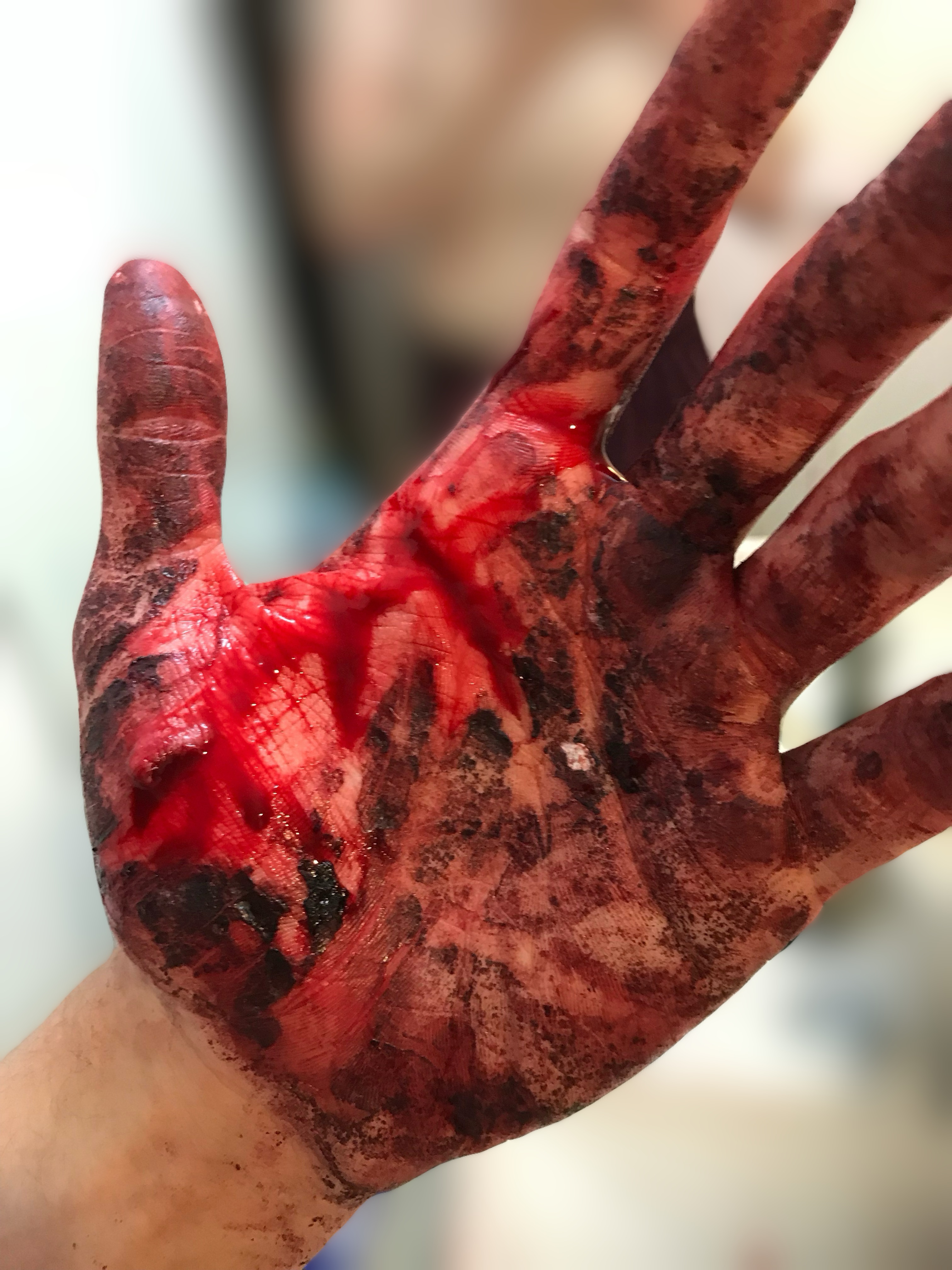
One of the photographs documenting the physical aftermath of the accident.
READER DISCUSSION
Aucun commentaire publié pour le moment. Vous pouvez être la première personne à répondre.