AUTHOR NARRATION
Hear the poem.
Read by the author in the original English.
Your Eyes’ BlueEnglish narration
POEM + IMAGE
AUTHOR NARRATION
Read by the author in the original English.
THE IMAGE BEHIND THE POEM
This is not an illustration selected after the fact. It is a photograph of the actual eye the poem was written about.
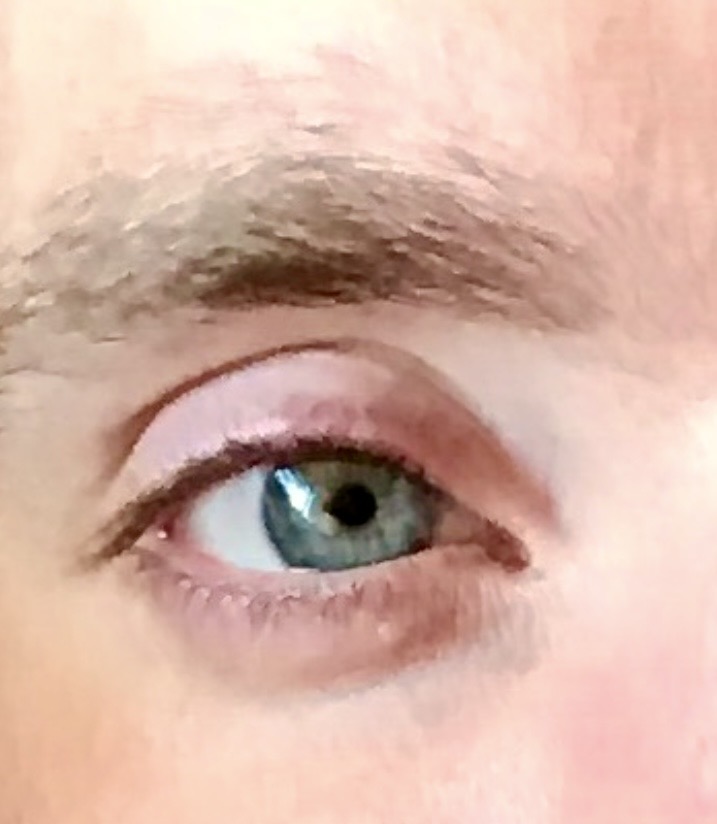
Move across the image—or select it with the keyboard—to bring the eye’s blue to life.
The actual eye that gave the poem its image and title.
ONE FUTURE, DIFFERENT WORDS
English separates three ways of facing what has not happened yet. Other languages divide—or join—the same territory differently.
Everyday English gives each idea its own verb. The more formal await, however, keeps waiting inside anticipation and therefore sits beside expect.
Depending on its construction and context, esperar can express hope, waiting, or what one believes will happen.
Espérer carries the wish. Attendre marks waiting, while the reflexive s’attendre à turns the same word family toward expectation.
The everyday forms are distinct, but the Korean definition of 기대하다—expect or anticipate—is literally ‘to wait while hoping for something to come true.’ Expectation therefore contains the other two gestures.
This is a simplified semantic map—not a claim that these forms are interchangeable in every sentence. Context, grammar, and register still decide the idiomatic choice.
ONE LAST VERSE
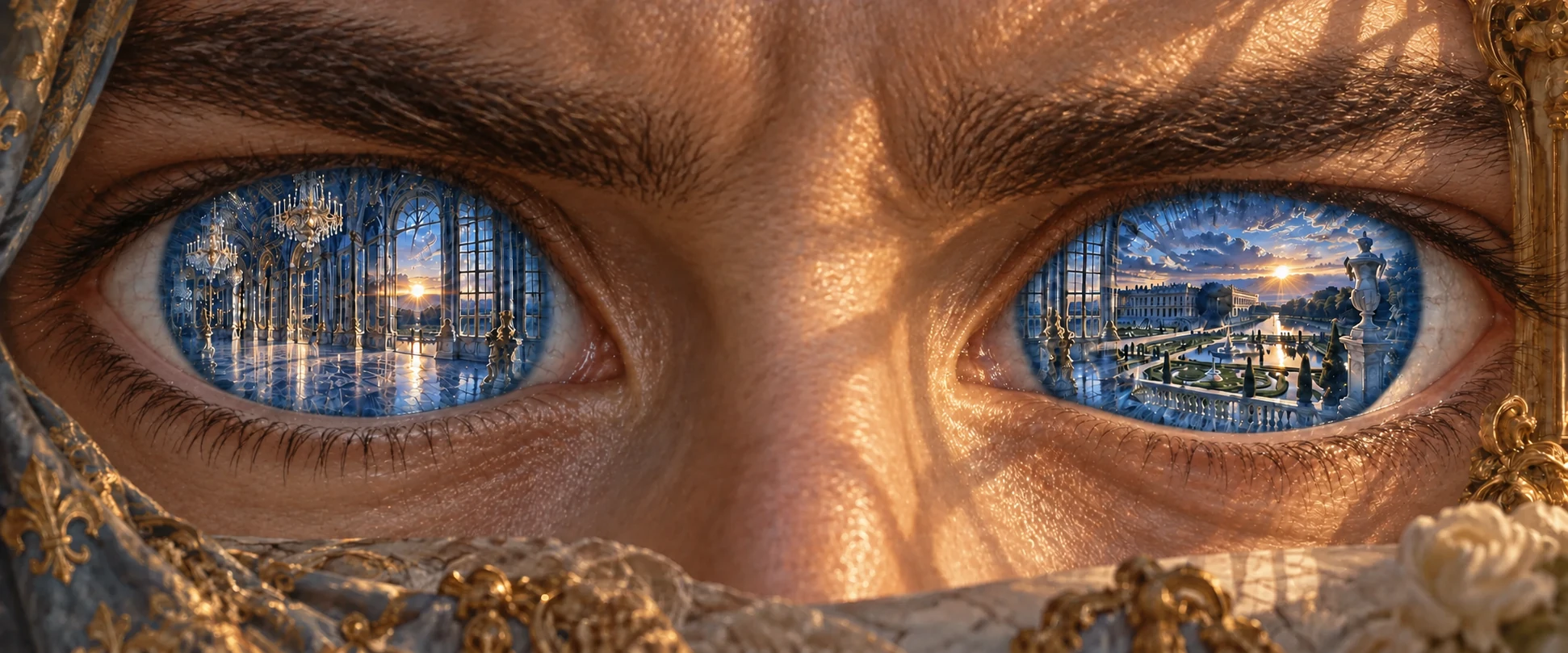
While going through the writing I made during that period, I found a rap I had written about the same man behind this poem. Below you can find its last verse. I really liked the imagery, and it continues the portrait in this poem and the other pieces I’ve made about him.
but designating and dictating the fault of the fallwould be defeating the point of doting on him at allhe was intelligent and talented and beautiful as anyonethat I have ever known:he was brilliantand he shone.from the prisms within him,from the schisms from a thousand houseshe’d never call his home,his memory palacewas the only placehe’d ever call his own,peeking through like twin blue Versailles,I was sinking with the sun king into two big beautiful eyes.Move across the verse to reveal the image. On a touchscreen, tap the text; with a keyboard, use the arrow keys.
READER DISCUSSION
This poem may have more to say.
Follow updates to this poem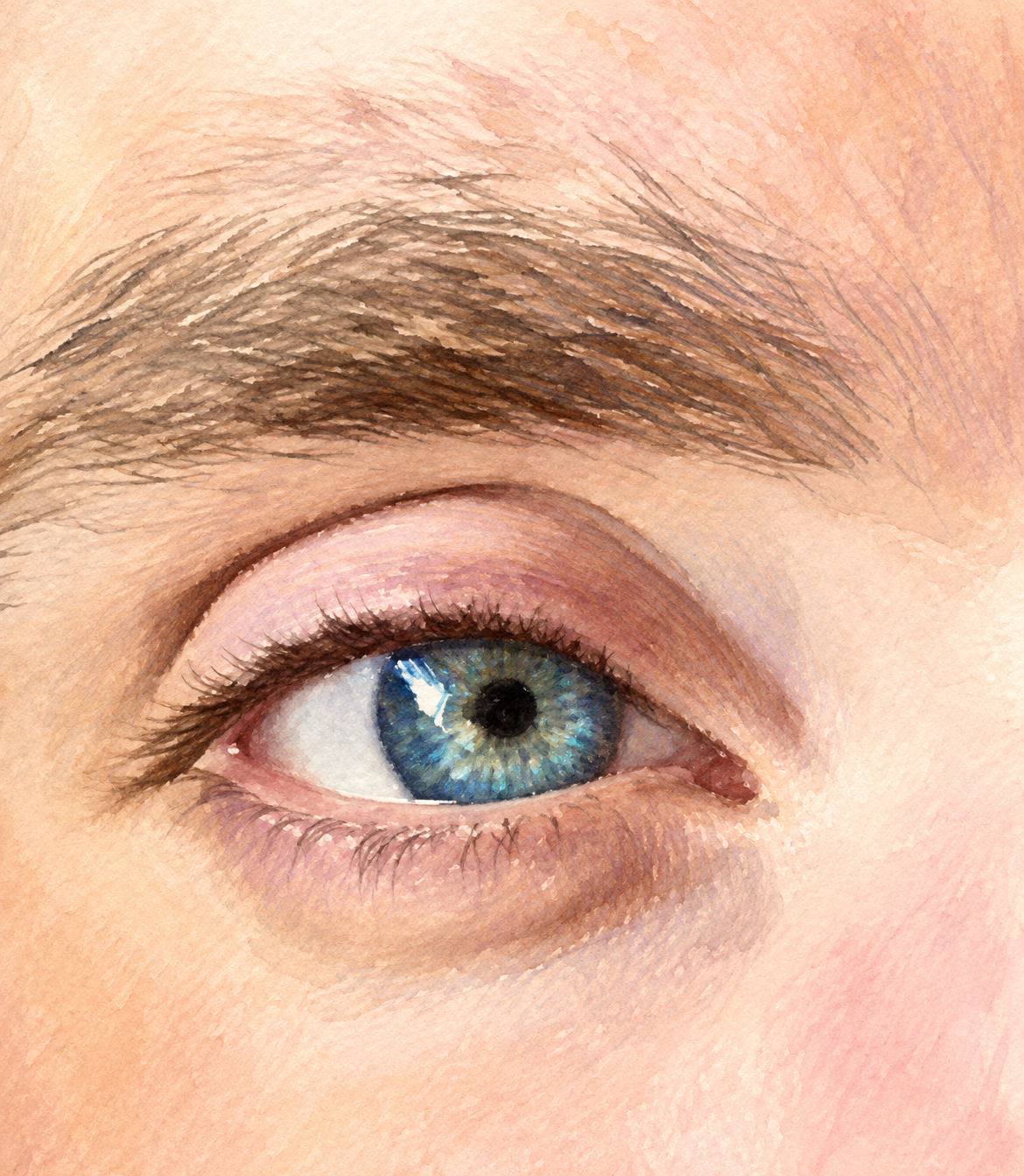
No comments have been published yet. You can be the first reader to respond.