vigor
Already used in Middle English, this word came through French from Latin vigēre, “to be lively.”
POEM + PLACE
AUTHOR NARRATION
Read by the author in the original English.
A NOTE FROM THE AUTHOR
THE NEIGHBORHOOD NOW
This is the area of Austin where I lived and saw the bizarre fencing that inspired the poem. Ironically, one of these lots has since become a sculpture garden—(non-)gated by a fence sculpture uncannily appropriate for “Fencing.”
Explore the neighborhood as it appears today, and look for the fence that fences nothing in.
FROM THE ARCHIVE
These are two photographs I found from this period, from around the house I lived in. They weren't taken with this poem in mind, and they aren't the best examples of the kind of ridiculous fencing I am describing, but they give you an idea of what I'm talking about.
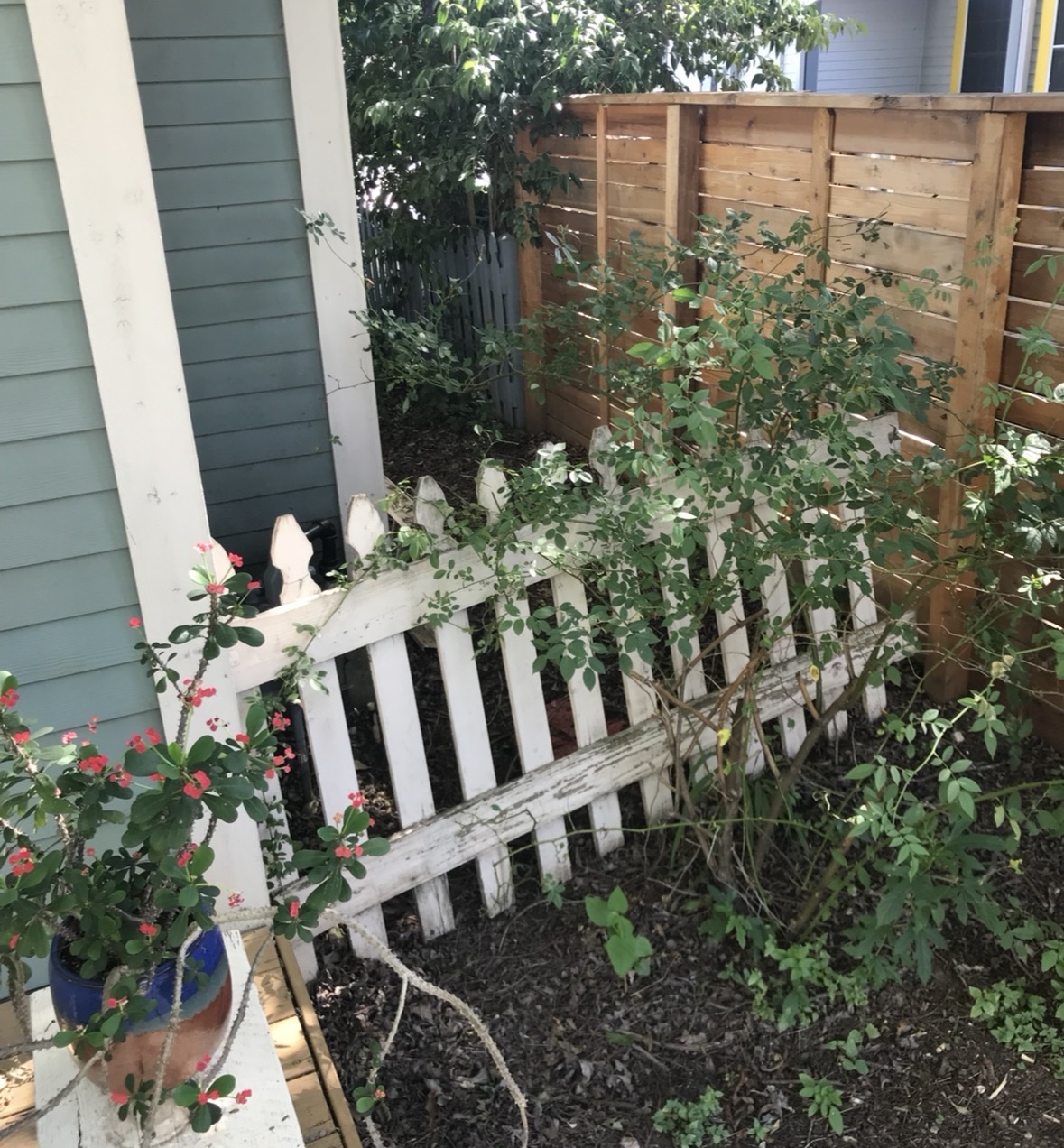
/media/fencing/austin-fence-1.jpgAn older fence among the plants in Austin.
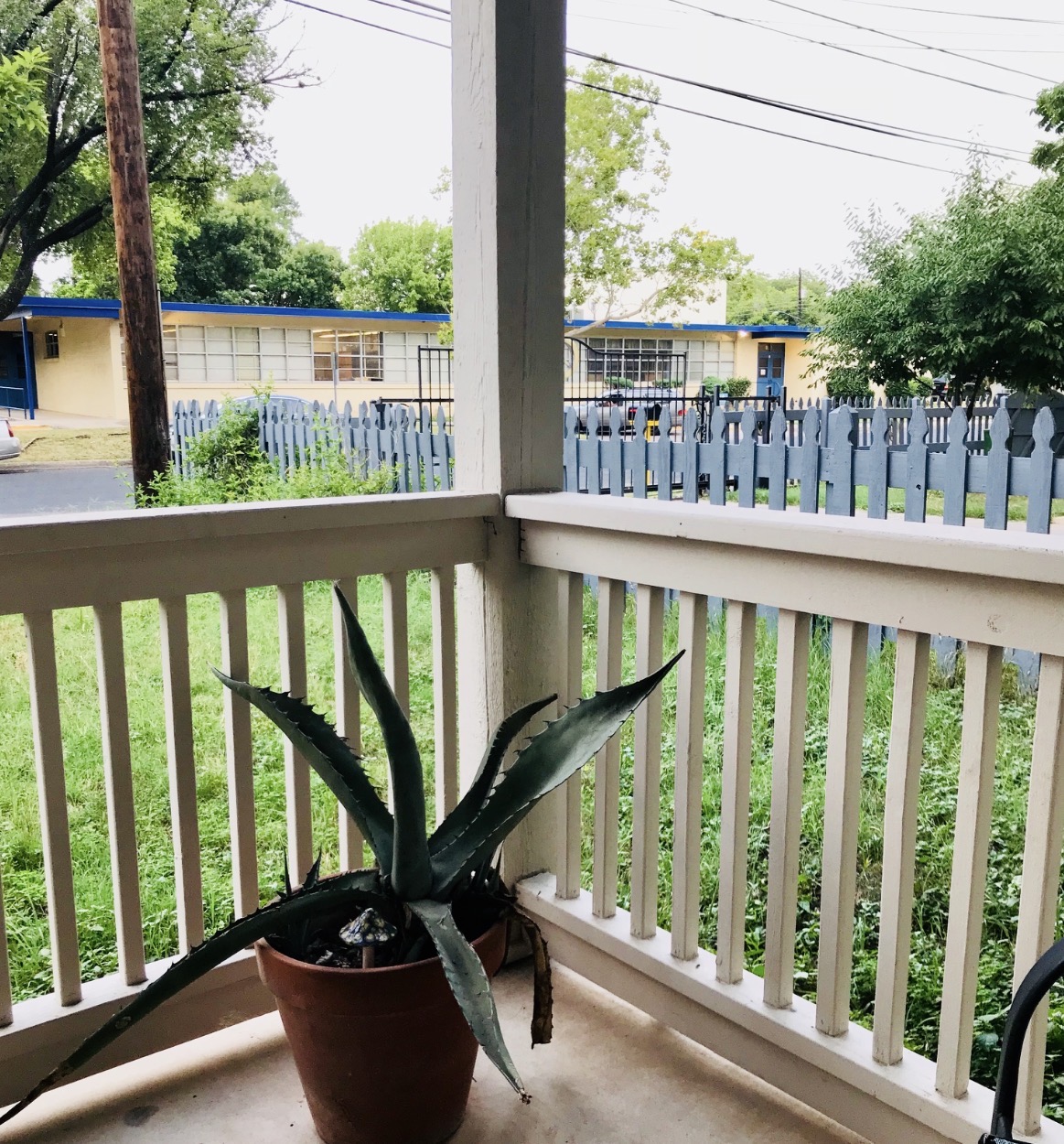
/media/fencing/austin-fence-2.jpgA second everyday boundary, seen from a neighborhood porch.
THE LIFE OF A PHRASE
“the and the of a colorful coat”
The line plays on the English idiom “vim and vigor,” replacing vigor with venom and giving its energy a sharper edge.
Already used in Middle English, this word came through French from Latin vigēre, “to be lively.”
Its origin is less clear. It may come from Latin vim, the accusative form of vis, “force”; it may instead be an expressive American coinage.
Some animals with chemical defenses advertise them in vivid colors. Poison dart frogs, for example, carry toxins on their skin; their bright colors can help predators learn to avoid them. This kind of warning signal is called aposematism.
READER DISCUSSION
This poem may have more to say.
Follow updates to this poem
No comments have been published yet. You can be the first reader to respond.